
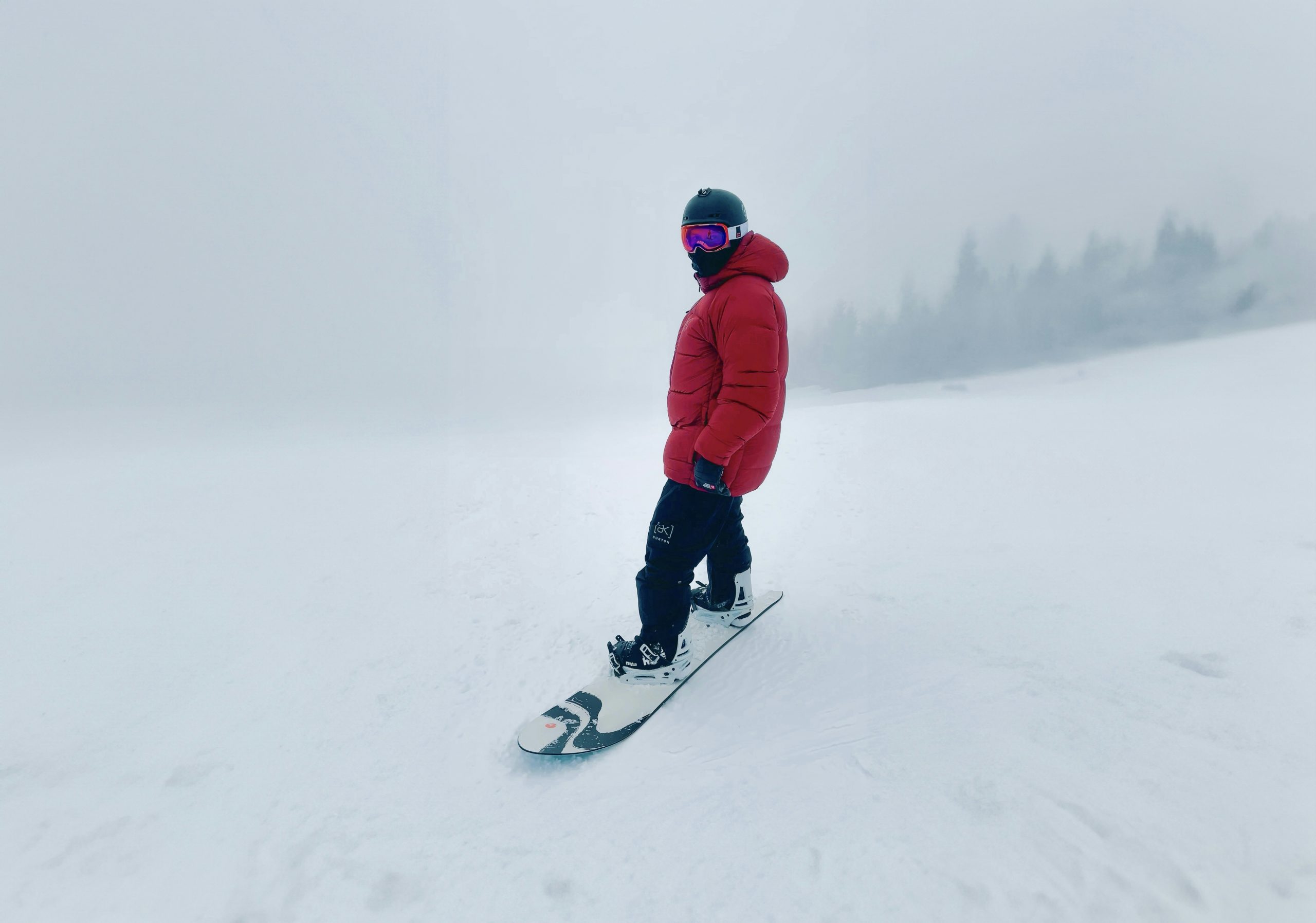
Managing Anxiety in Snowboard Players
Snowboarding is not only a thrilling sport but also a mentally and physically demanding activity. Many snowboard players experience anxiety, which can affect their performance and enjoyment on the slopes. This article explores the psychological challenges these athletes face and offers practical strategies to help manage anxiety.
Understanding Anxiety in Snowboarding
Snowboarding requires immense focus, agility, and quick decision-making. Alongside these skills, snowboard players often face anxiety due to pressure to perform, fear of injury, or even intense competition. Understanding the source of anxiety is the first step towards managing it effectively.
Factors Contributing to Anxiety
- Fear of Failure: High expectations can lead to anxiety about performance.
- Risk of Injury: Snowboarding involves physical risks, which can heighten anxiety.
- Environmental Conditions: Unpredictable weather and terrain can be stressors.
Practical Coping Strategies
-
Pre-performance Rituals: Establish a calming routine before hitting the slopes. This might include deep breathing exercises, visualizing successful runs, or listening to favorite music to set the right mindset.
- Example: Sarah, a competitive snowboarder, uses visualization to imagine herself executing perfect runs, helping her focus on success rather than potential failures.
-
Mindfulness and Meditation: Regular mindfulness practice can significantly reduce stress. Engaging in meditation enhances focus and helps athletes stay present, reducing the impact of anxiety.
- Technique: Incorporate short meditation sessions into daily training to improve focus.
-
Physical Conditioning: Ensure that physical training includes exercises that emulate snowboard movements. Being physically prepared boosts confidence and reduces the fear of unexpected hurdles.
- Real-life Application: Many snowboarders engage in strength training to enhance their abilities and confidence on the slopes.
-
Positive Self-talk: Encourage yourself with affirmations and a supportive inner dialogue. Overcoming negative thoughts with positive reinforcement builds resilience and reduces anxiety.
- Example Phrases: "I am prepared," "I am capable of overcoming challenges."
-
Seeking Professional Help: Recognize when anxiety becomes unmanageable and seek support from sports psychologists. Professional guidance can offer tailored strategies and emotional support.
- Case Study: Professional guidance helped snowboarder Alex understand his triggers, allowing him to manage anxiety better.
The Role of Coaches and Trainers
- Understanding Individual Needs: Tailoring techniques to individual athletes can enhance coping strategies.
- Creating Supportive Environments: Coaches can foster environments where athletes feel secure and understood.
Support and Encouragement
Snowboarding should be an enjoyable adventure. By embracing coping strategies and being open to seeking help, snowboard players can overcome anxiety and thrive on and off the slopes. Remember, support is always available from peers, coaches, and mental health professionals.
Encouragement for Athletes
- Reach Out for Help: Don’t hesitate to talk about your anxiety with trusted individuals.
- Stay Informed: Educate yourself about anxiety and mental health resources.
Community and Peer Support
Building connections with fellow snowboarders can provide encouragement and shared experiences. Engaging in groups can help players see that they are not alone in facing challenges.
Conclusion
Whether it's through visualization, mindfulness, professional help, or community engagement, managing anxiety in snowboarding is possible with the right tools and mindset. Every athlete's journey is unique, and finding personal strategies can make a significant difference in performance and enjoyment of the sport.